Monday, 14 August 2023

MUNNAR : QUEEN OF HILLS


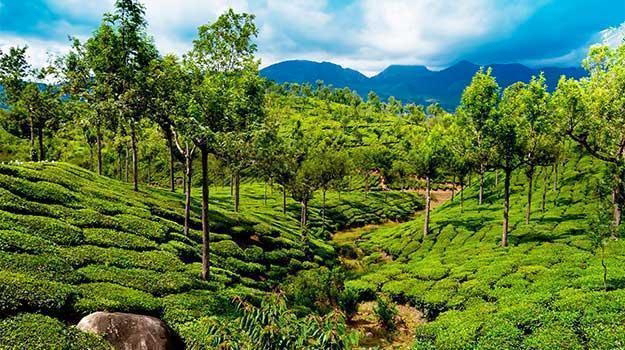
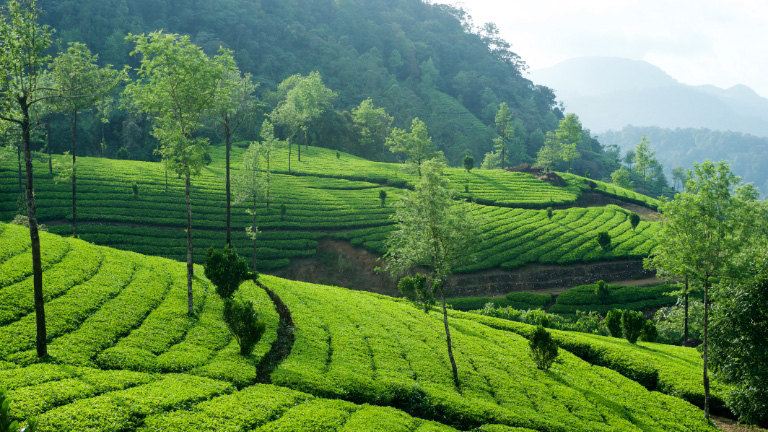
Munnar is a hill station in the Indian state of Kerala. It is located in the Idukki district, and is known for its scenic beauty, lush green hills, and sprawling tea plantations. Munnar is a popular tourist destination, and is often referred to as the "Queen of Hills".

The history of Munnar dates back to the 19th century, when it was a British hill station. The British built several tea estates in Munnar, and the town became a popular destination for British officials and tourists. After India gained independence, Munnar remained a popular tourist destination. The government of Kerala has developed Munnar as a major tourist destination, and the town now has several hotels, resorts, and tourist attractions.

Munnar is a beautiful place, with stunning views of the surrounding mountains. The town is surrounded by tea plantations, and the air is filled with the smell of tea. There are also several waterfalls in Munnar, including the Attukal Waterfalls and the Chellarkovil Waterfalls.

One of the most popular tourist attractions in Munnar is the Eravikulam National Park. The park is home to a variety of wildlife, including the Nilgiri Tahr, a rare mountain goat. There are also several trekking trails in the park, which offer stunning views of the surrounding mountains.

Another popular tourist attraction in Munnar is the Mattupetty Dam. The dam is located in a scenic valley, and offers stunning views of the surrounding mountains. There is also a boathouse at the dam, where you can take a boat ride on the reservoir.

Munnar is a great place to relax and enjoy the natural beauty of Kerala.

Munnar is home to several tea estates, which offer tours and tastings. 

 There are several trekking trails in Munnar, which offer stunning views of the surrounding mountains.

 Munnar has several waterfalls, including the Attukal Waterfalls and the Chellarkovil Waterfalls.

Visit the Eravikulam National Park: 
The park is home to a variety of wildlife, including the Nilgiri Tahr.

Go boat There is a boathouse at the Mattupetty Dam, where you can take a boat ride on the reservoir.

Munnar has several spice gardens, where you can learn about spices and their uses.

Munnar has several shops selling souvenirs, handicrafts, and clothing.

 Munnar has several restaurants serving a variety of cuisines, including Indian, Chinese, and Continental.

Munnar is a great place to visit any time of year. However, the best time to visit Munnar is during the monsoon season (June to September), when the hills are lush and green. The weather is also cooler during the monsoon season, which makes it a more pleasant time to visit.

If you are looking for a beautiful and relaxing place to visit in India, then Munnar is the perfect destination for you. With its stunning scenery, lush green hills, and variety of activities, Munnar is sure to leave you with lasting memories.
मुन्नार नही देखा तो कुछ नही देखा। 


Friday, 11 August 2023

THE AJANTA AND ELLORA CAVES :FAMOUS ROCK CUT CAVES


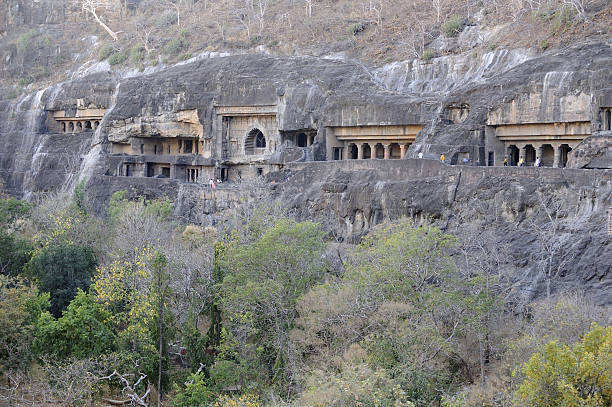
The Ajanta and Ellora caves are two of the most famous rock-cut cave complexes in India. They are located in the state of Maharashtra, about 100 kilometers apart. The Ajanta caves are Buddhist caves, while the Ellora caves are a mix of Hindu, Jain, and Buddhist caves.

The Ajanta caves were built over a period of about 500 years, from the 2nd century BCE to the 7th century CE. They are famous for their beautiful paintings, which depict scenes from the life of the Buddha and other Buddhist stories. The paintings are still in remarkably good condition, and they are considered to be some of the finest examples of ancient Indian art.

The Ellora caves were built over a period of about 400 years, from the 6th century CE to the 10th century CE. They are more varied than the Ajanta caves, and they include monasteries, temples, and halls. The Hindu caves are the most numerous, but there are also significant Jain and Buddhist caves. The Ellora caves are famous for their sculpture, which is some of the finest in India.

Both the Ajanta and Ellora caves are UNESCO World Heritage Sites. They are a testament to the artistic and architectural achievements of ancient India, and they continue to attract visitors from all over the world.

THE AJANTA CAVES

The Ajanta caves are located in a horseshoe-shaped gorge on the Waghora River in Maharashtra, India. There are 29 caves in the complex, all of which were carved out of a single cliff face. The caves were built over a period of about 500 years, from the 2nd century BCE to the 7th century CE.

The Ajanta caves are divided into two groups: the monastic caves and the chaitya caves. The monastic caves were used as living quarters and meditation halls for Buddhist monks. They typically have a veranda, a central courtyard, and a number of rooms. The chaitya caves are prayer halls, and they are characterized by a long hall with a curved roof that resembles a cave. The walls of the chaitya caves are decorated with paintings and sculptures depicting scenes from the life of the Buddha.

The paintings in the Ajanta caves are some of the finest examples of ancient Indian art. They arep still in remarkably good condition, and they provide a vivid glimpse into the life and culture of ancient India. The paintings depict a wide range of subjects, including stories from the life of the Buddha, religious ceremonies, and everyday life. The paintings are also notable for their use of color, their attention to detail, and their graceful composition.

The Ajanta caves were abandoned in the 7th century CE, and they were rediscovered in 1819 by a British officer named John Smith. The caves were quickly recognized as a major archaeological site, and they have been the subject of extensive study and conservation efforts ever since.

THE ELLORA CAVES

The Ellora caves are located about 100 kilometers from the Ajanta caves. There are 34 caves in the complex, and they were built over a period of about 400 years, from the 6th century CE to the 10th century CE. The Ellora caves are more varied than the Ajanta caves, and they include monasteries, temples, and halls. The Hindu caves are the most numerous, but there are also significant Jain and Buddhist caves.

The Hindu caves at Ellora are some of the largest and most impressive rock-cut temples in India. They are dedicated to a variety of Hindu deities, including Shiva, Vishnu, and Brahma. The temples are decorated with elaborate sculptures, which depict scenes from Hindu mythology.

The Jain caves at Ellora are smaller than the Hindu caves, but they are no less impressive. They are dedicated to the Jain tirthankaras, or saviors. The caves are decorated with beautiful sculptures, which depict scenes from the lives of the tirthankaras.

The Buddhist caves at Ellora are the smallest of the three groups of caves. They are dedicated to the Buddha and other Buddhist figures. The caves are decorated with paintings and sculptures, which depict scenes from the life of the Buddha and other Buddhist stories.

The Ellora caves are a UNESCO World Heritage Site. They are a testament to the artistic and architectural achievements of ancient India, and they continue to attract visitors from all over the world.

The Difference Between Ajanta and Ellora Caves
The Ajanta and Ellora caves are two of the most famous rock-cut cave complexes in India, but they have a number of important differences.

The Ajanta caves are all Buddhist, while the Ellora caves are a mix of Hindu, Jain, and Buddhist caves.
Time period: The Ajanta caves were built over a period of about 500 years

अजंता - एलोरा नही देखा तो कुछ नही देखा। 


Tuesday, 8 August 2023

SAPUTARA BEAUTIFUL HILL STATION - GUJARAT (INDIA)


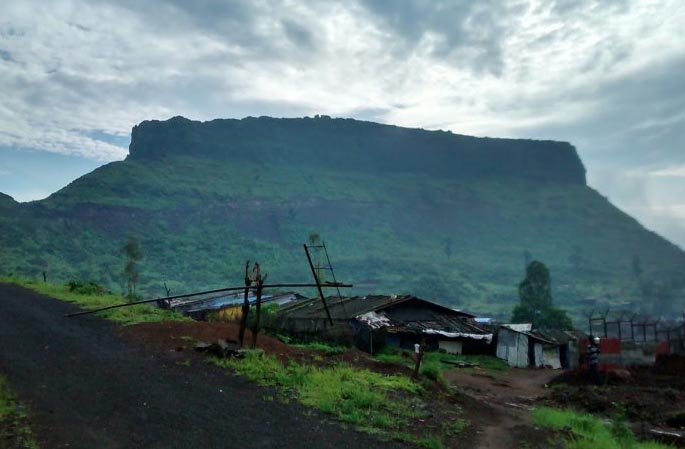
Saputara is a hill station in the Dang district of Gujarat, India. It is located at an altitude of 1,000 meters (3,300 feet) above sea level, on a plateau in the Western Ghats. Saputara is Gujarat's only hill station, and is a popular tourist destination.

The name Saputara is derived from the Sanskrit word "Sarpatunga", which means "Serpent's Peak". This is because the hill station is located on a plateau that is shaped like a serpent. Saputara is also known as the "City of Waterfalls" because of the many waterfalls that are located in the area.

The climate in Saputara is pleasant year-round. The summers are mild, with average temperatures ranging from 25 to 32 degrees Celsius (77 to 90 degrees Fahrenheit). The winters are cool, with average temperatures ranging from 15 to 22 degrees Celsius (59 to 72 degrees Fahrenheit).

Saputara is home to a variety of flora and fauna. The forests around the hill station are home to a variety of trees, including teak, sal, and bamboo. The forests are also home to a variety of animals, including elephants, tigers, leopards, and monkeys.

Some of the most popular attractions include:

SAPUTARA LAKE: 
This is a man-made lake that is located in the heart of Saputara. The lake is surrounded by hills and forests, and is a popular spot for boating, swimming, and fishing.

HATGAD  FORT: 
This is a 17th-century fort that is located on a hilltop overlooking Saputara. The fort is a popular spot for hiking and sightseeing.

SUNSET POINT: 
This is a viewpoint that offers panoramic views of the surrounding hills and valleys. Sunset Point is a popular spot for watching the sunset.

VANSDA NATIONAL PARK: 
This is a national park that is located about 20 kilometers from Saputara. The park is home to a variety of animals, including elephants, tigers, leopards, and monkeys.

WAGHAI: 
This is a small town that is located about 30 kilometers from Saputara. Waghai is known for its handicrafts, which are made from bamboo and wood.

Saputara is a popular destination for both domestic and international tourists. The hill station offers a variety of activities and attractions, making it a great place to relax and enjoy the natural beauty of the Western Ghats.

In addition to the attractions mentioned above

A number of hotels, resorts, and guesthouses to choose from.
A variety of restaurants serving Gujarati, Indian, and international cuisine.
A number of shops selling souvenirs, handicrafts, and other goods.
A number of activities, such as boating, fishing, trekking, hiking, and wildlife watching.
Saputara is a great place to visit for a weekend getaway or a longer vacation. The hill station offers a variety of things to see and do, making it a great place to relax and enjoy the natural beauty of the Western Ghats.

Here are some tips for you.

The best time to visit Saputara is during the monsoon season (June to September) or the winter season (November to February).
If you are planning to visit Saputara during the monsoon season, be sure to bring rain gear.
If you are planning to visit Saputara during the winter season, be sure to bring warm clothing.
There are a number of ways to get to Saputara. You can take a train to Surat and then a bus to Saputara. You can also take a flight to Ahmedabad and then a bus to Saputara.
There are a number of hotels, resorts, and guesthouses to choose from in Saputara. You can also camp in the national park.
There are a number of restaurants serving Gujarati, Indian, and international cuisine in Saputara.
There are a number of activities, such as boating, fishing, trekking, hiking, and wildlife watching, that you can enjoy in Saputara.

Saputara नही देखा तो कुछ नही देखा। 


Saturday, 5 August 2023

SHIMLA: BEAUTIFUL HILL STATION (INDIA)

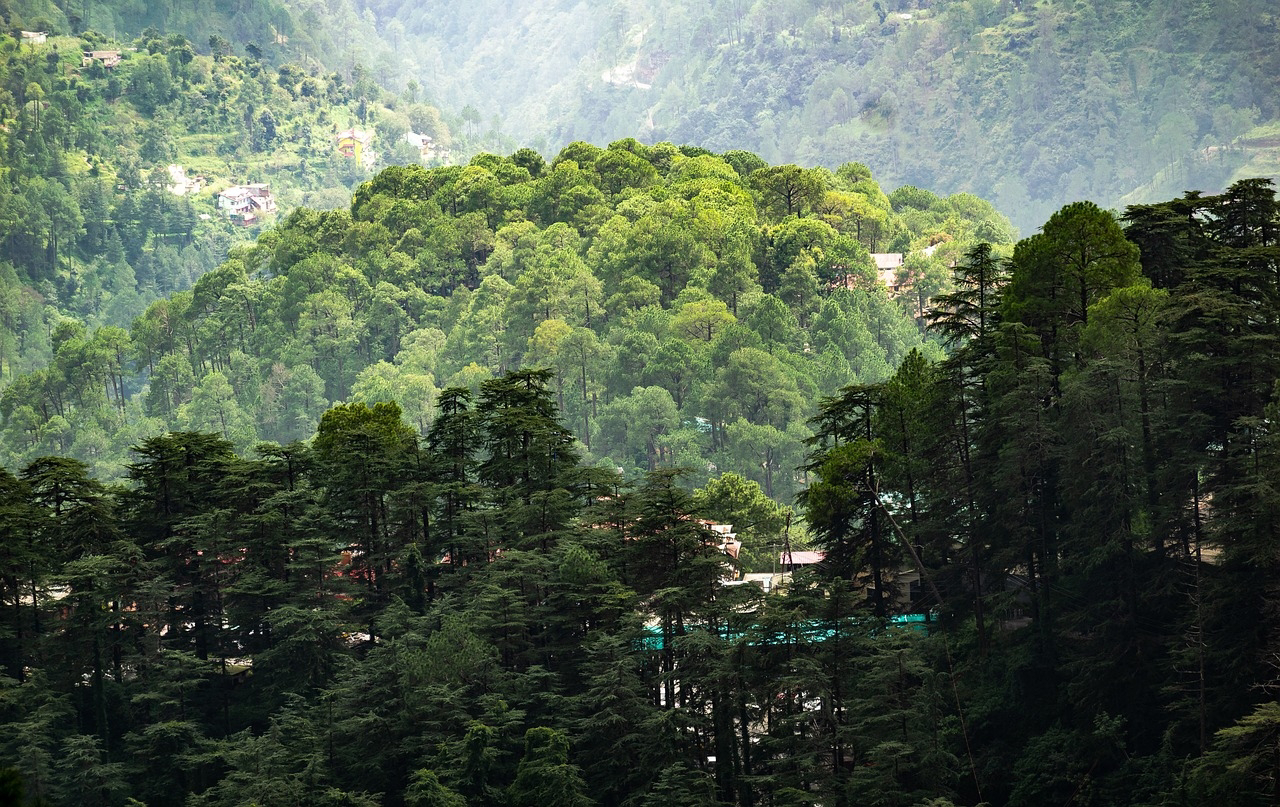
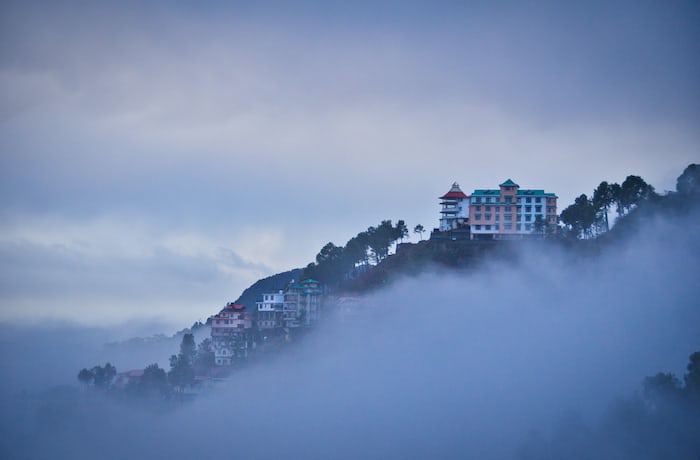
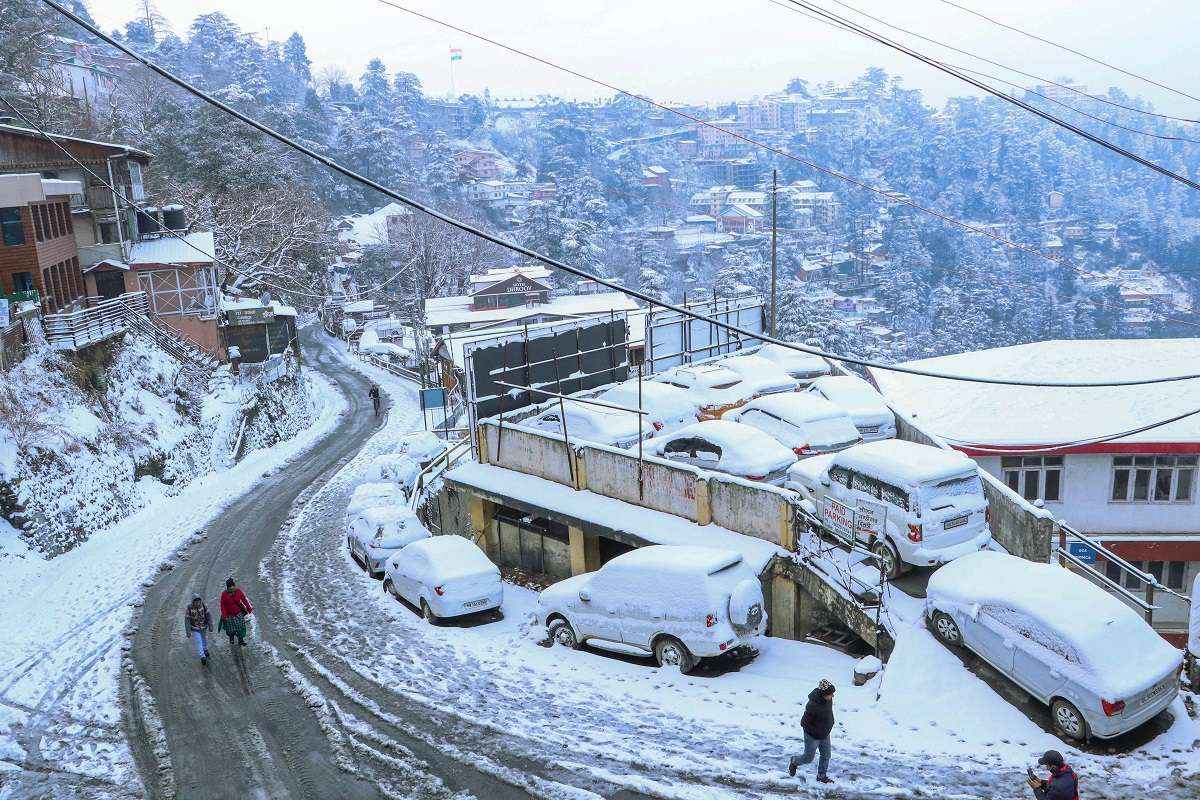
Shimla, the capital of Himachal Pradesh, is a hill station in the Western Himalayas. It is known for its stunning scenery, colonial architecture, and pleasant weather. Shimla is a popular tourist destination, especially during the summer months.

The history of Shimla dates back to the 16th century, when it was a small village inhabited by the Bushahr Rajputs. In the 18th century, the British East India Company took control of Shimla and began to develop it as a summer retreat. The first British bungalow was built in Shimla in 1766, and by the early 19th century, the town had become a popular destination for British officials and soldiers.

In 1864, Shimla was declared the summer capital of British India. This made Shimla a very important city, and it saw a period of rapid growth. Many new buildings were constructed, including the Viceroy's Lodge, the Government Secretariat, and the Christ Church. Shimla also became a cultural center, with a number of theaters, clubs, and schools being established.


After India gained independence in 1947, Shimla remained the capital of Himachal Pradesh. The city continued to grow and develop, and it became a popular tourist destination for both Indians and foreigners.

Today, Shimla is a thriving city with a population of over 200,000 people. It is a popular tourist destination, especially during the summer months. Shimla is also a major commercial center, and it is home to a number of industries, including tourism, manufacturing, and agriculture.

Shimla is located in the Western Himalayas, at an altitude of over 2,000 meters (6,500 feet). The city is surrounded by mountains, including the Jakhoo Hill, the Prospect Hill, and the Observatory Hill. Shimla has a pleasant climate, with cool summers and mild winters.

Shimla is home to a number of attractions, including:

The Ridge: The Ridge is a large open space in the heart of Shimla. It is a popular spot for tourists, and it is lined with shops, restaurants, and cafes.

The Mall Road: The Mall Road is a pedestrian-only street that runs parallel to the Ridge. It is home to a number of shops, restaurants, and hotels.

The Viceroy's Lodge: The Viceroy's Lodge was the summer residence of the British Viceroy of India. It is now a museum that houses a collection of artifacts from the British Raj.

Christ Church: Christ Church is a beautiful church that was built in the 19th century. It is a popular spot for weddings and other events.

Jakhoo Hill: Jakhoo Hill is a small hill that offers stunning views of Shimla. It is home to the Jakhoo Temple, a Hindu temple dedicated to Hanuman.

Summer Hill: Summer Hill is a residential area that is located just outside of Shimla. It is a popular spot for hiking and picnicking.

The Indian Institute of Advanced Study: The Indian Institute of Advanced Study is a research institute that is located in Shimla. It is home to a number of scholars and researchers from all over India.

In addition to visiting the attractions listed above, there are a number of other things to do in Shimla, including:

Hiking: There are a number of hiking trails in and around Shimla. These trails offer stunning views of the surrounding mountains.

Shopping: Shimla has a number of shops that sell souvenirs, clothing, and handicrafts.

Dining: Shimla has a number of restaurants that serve a variety of cuisines, including Indian, Chinese, and Continental.

Nightlife: Shimla has a number of bars and clubs that offer live music and dancing.


Shimla is well-connected by road, rail, and air. The nearest airport is the Shimla Airport, which is located about 15 kilometers from the city center. The nearest railway station is the Shimla Railway Station, which is located in the heart of the city.

Shimla is a beautiful hill station that is located in the Western Himalayas. It is a popular tourist destination, especially during the summer months. Shimla is home to a number of attractions, including the Ridge, the Mall Road, the Viceroy's Lodge, Christ Church, Jakhoo Hill, Summer Hill, and the Indian Institute of Advanced Study. There are also a number of things to do in Shimla, including hiking, shopping, dining, and enjoying the nightlife.

शिमला नही देखा तो कुछ नही देखा। 


Friday, 4 August 2023

THE KHANDALA GHAT WORLD'S ONE OF THE BEST HILL STATION


Khandala is a hill station in the Western Ghats of Maharashtra, India. It is located about 100 kilometers (62 mi) from Mumbai, and is a popular tourist destination. Khandala is known for its scenic beauty, its cool climate, and its many waterfalls.

The history of Khandala is obscure. It is believed that the area was inhabited by the Koli people, a tribal community, for centuries. The first recorded mention of Khandala is in the 16th century, when it was ruled by the Bhosale dynasty. In the 17th century, Khandala was taken over by the Mughal Empire.

In the 18th century, Khandala was ruled by the Maratha Empire. The Maratha ruler, Chatrapati Shivaji, is said to have built a fort in Khandala. The fort no longer exists, but the ruins can still be seen.

In the 19th century, Khandala was taken over by the British. The British built a number of roads and railways in the area, which made Khandala more accessible to tourists. Khandala became a popular hill station for the British, and many British bungalows were built in the area.

After India gained independence in 1947, Khandala remained a popular tourist destination. The Indian government built a number of hotels and resorts in the area, and Khandala became a popular weekend getaway for people from Mumbai.

Today, Khandala is a thriving tourist destination. The town is home to a number of hotels, resorts, restaurants, and shops. Khandala is also a popular destination for trekking, hiking, and rock climbing.


Some of the most popular tourist attractions in Khandala include:

THE KARLA CAVES:

These Buddhist caves are carved into the side of a hill, and are believed to have been built in the 2nd century BCE.

THE  BHAJA CAVES:

These Buddhist caves are also carved into the side of a hill, and are believed to have been built in the 1st century BCE.

THE JOG  FALLS: 

These waterfalls are the highest waterfalls in India, and are a popular tourist destination.

THE  LION'S LEAP: 

This is a rock formation that is shaped like a lion's head. It is a popular spot for rock climbing and rappelling.

THE SWAYAMBHU SHIVALINGA

This is a natural rock formation that is shaped like a Shivalinga. It is a popular pilgrimage site for Hindus.

THE KHANDALA  GHAT

This is a scenic road that winds its way through the hills between Khandala and Lonavala. It is a popular spot for hiking and biking.

Khandala is a beautiful hill station with a lot to offer visitors. Whether you are interested in history, nature, or adventure, you are sure to find something to enjoy in Khandala.

Here are some additional facts about Khandala:

The average temperature in Khandala is 18°C (64°F).
The monsoon season in Khandala is from June to September.
The nearest airport to Khandala is the Pune Airport, which is about 60 kilometers (37 mi) away.
The nearest railway station to Khandala is the Khandala Railway Station.
If you are planning a trip to Khandala, here are some tips:

The best time to visit Khandala is during the spring (March-May) or fall (October-November).
If you are interested in history, be sure to visit the Karla Caves and the Bhaja Caves.
If you are interested in nature, be sure to visit the Jog Falls and the Lion's Leap.
If you are interested in adventure, be sure to go hiking or biking on the Khandala Ghat.

खंडाला घाट नही देखा तो कुछ नही देखा। 


The Tarnetar FairA very popular fair in the world

The Tarnetar fair is a fair of youth, color, form, fun, ballad, duha and folk dance. Tarnetae fair is a place to see, know and e...